Tarangire National Park
After sorting our stuff into storage bags vs. safari bag, we got into three Toyota Land Cruisers and headed north on a four-hour drive that took us to Tarangire National Park.
Peter, our driver, passed cars and trucks willy nilly, with tuk tuks and motorbikes coming the other way. But he clearly knows what he's doing and no harm was done (we did close our eyes a lot). We drove through Arusha, a large city called the Geneva of Africa – I'm assuming b/c of UN offices there?
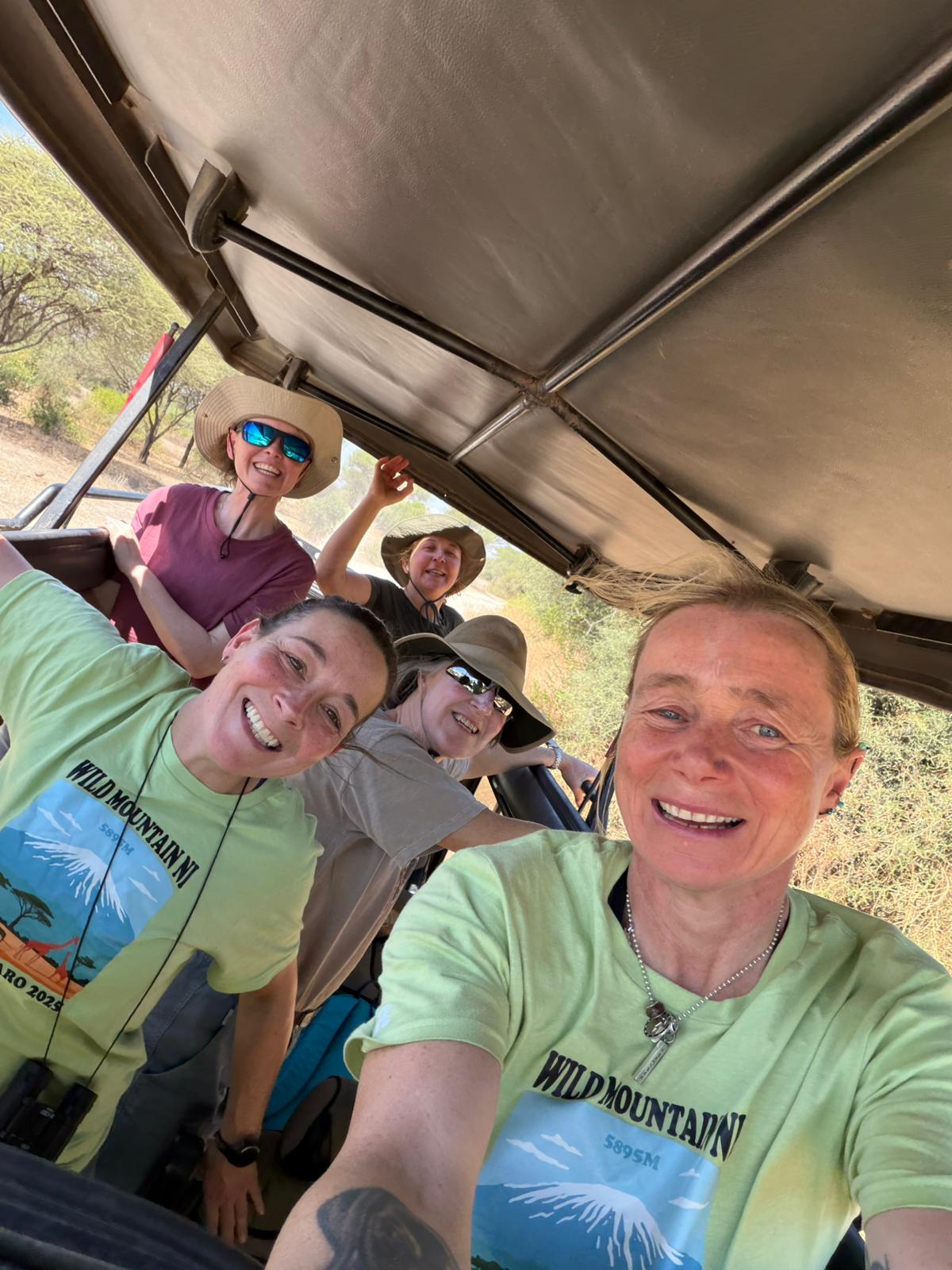
Here I am with my fellow safarians. Our trip leader and her partner in front and Karen and Sharon in back.
Peter told us Tanzania is a country of 70 million people with 120 tribes! Each with its own language. Swahili is the national language. He said Moshi is home to the Chagga people: (from Wiki) "The Chagga people are recognized as one of the economically successful groups in Tanzania. Their relative wealth is attributed to the fertile soil of volcanic Mount Kilimanjaro, which supports intensive agricultural activities" (coffee, banana, millet).
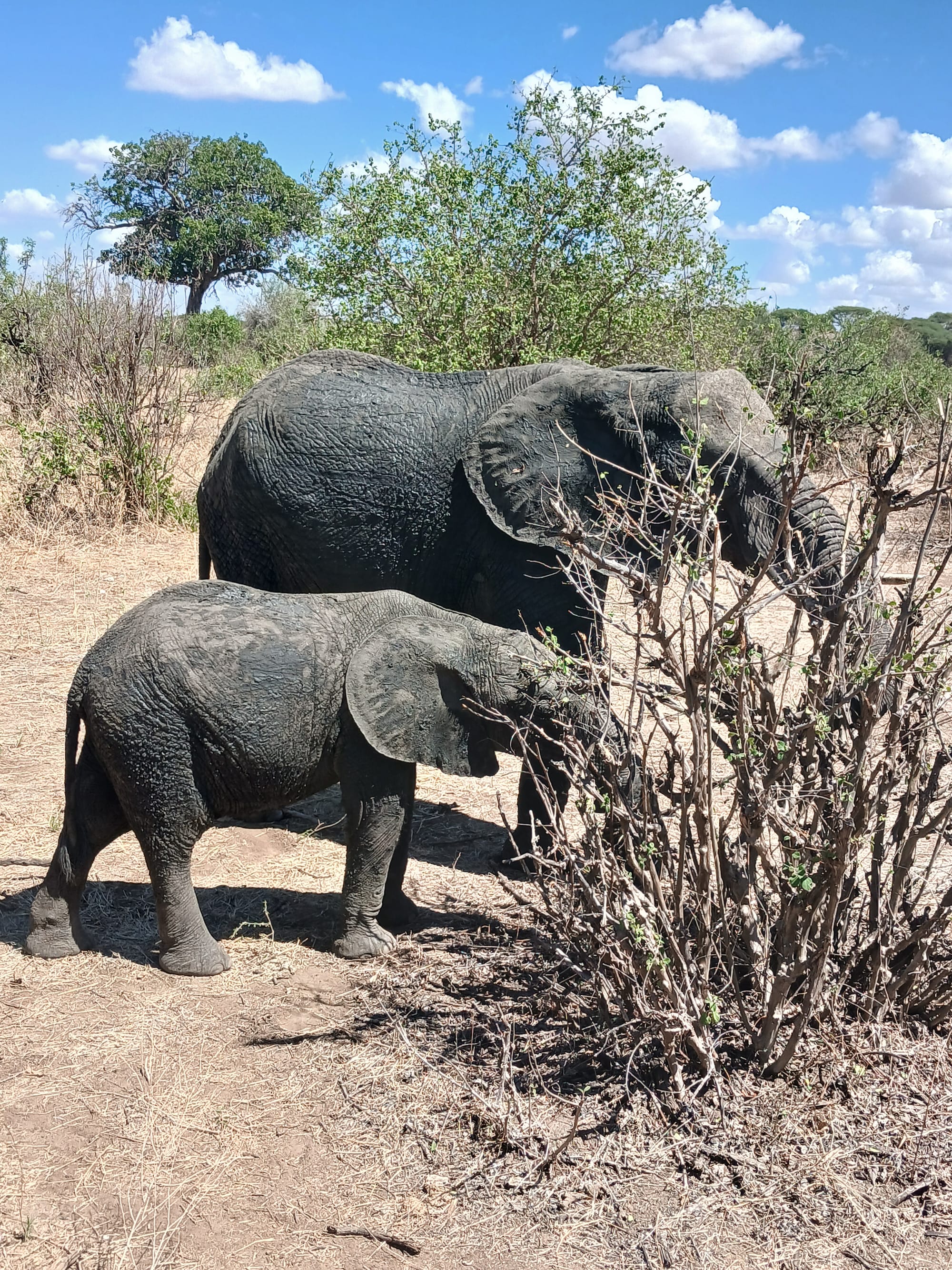
Tarangire park is much smaller than the Serengenti but has a higher concentration of animals. Given this is the dry season, the animals are drawn to remaining water sources. We saw lots of elephants.
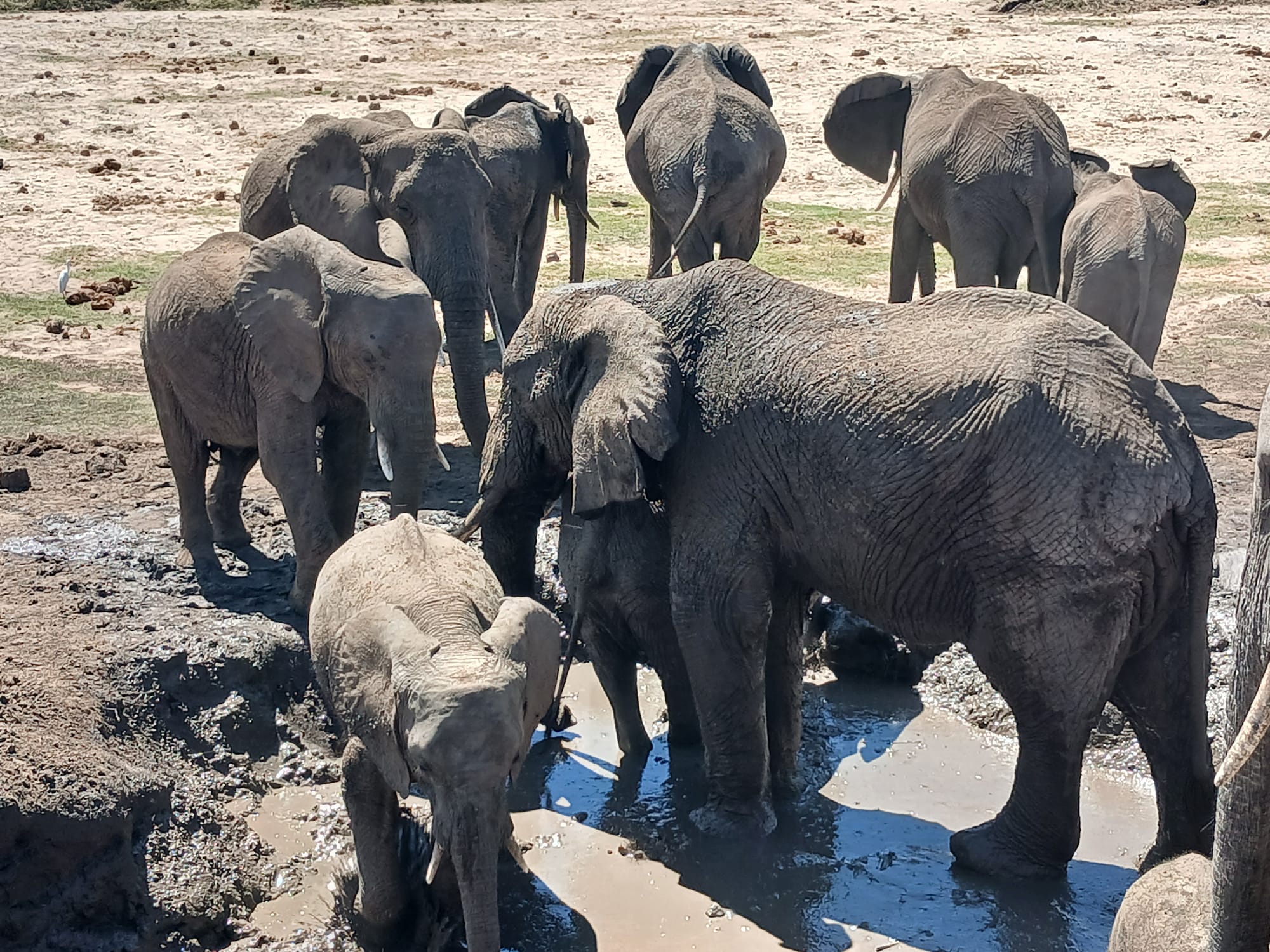
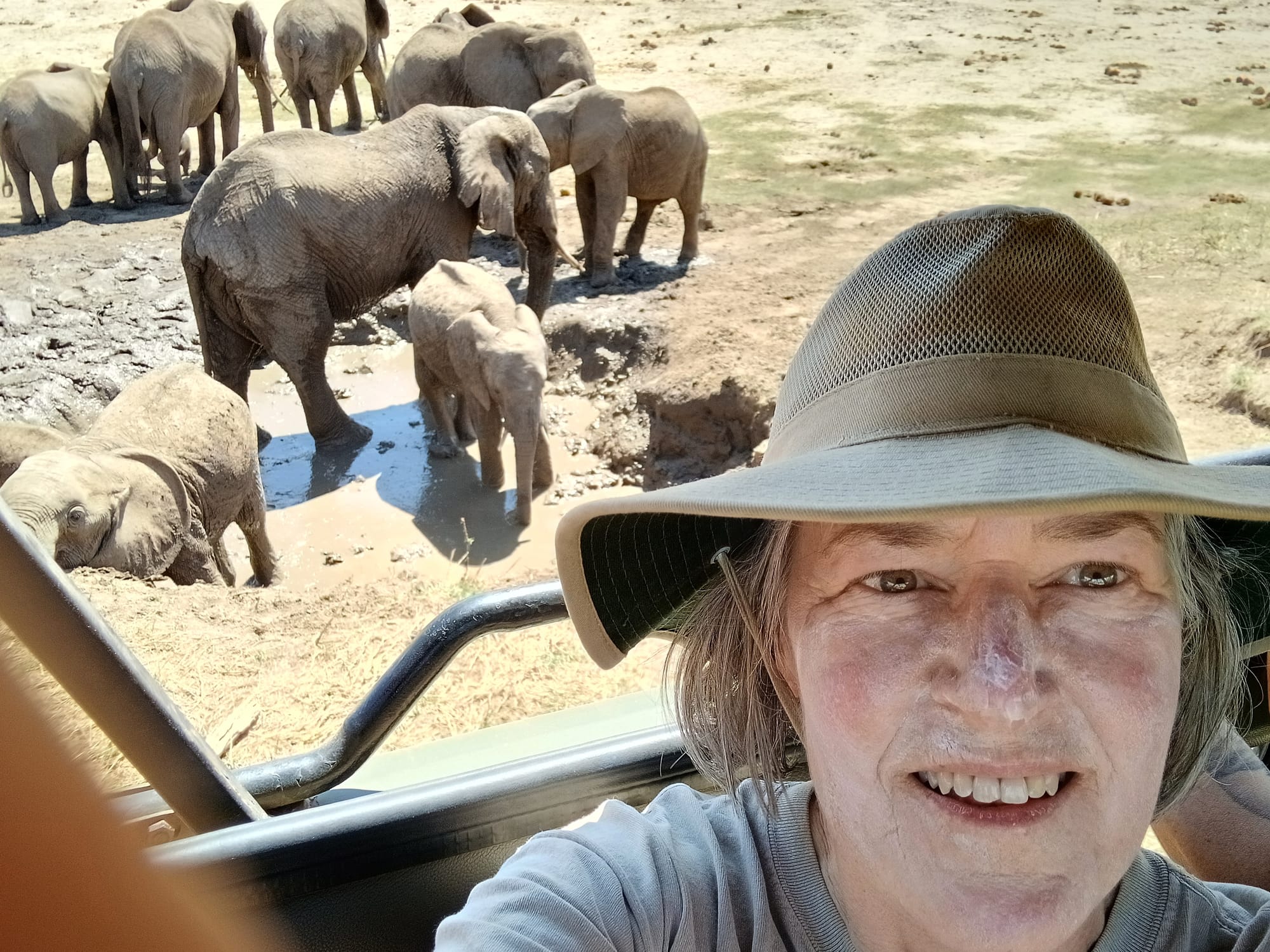
They scooped the mud in this hole onto their backs and the young ones struggled to get out of the mud hole, eventually tipping themselves forward. We probably parked for at least a half hour to watch three families of elephants moving around this water source. There was a tree stump to the right of this frame where the small elephants scratched their rumps – adorable.
My nose and cheeks were burned pretty badly on the hike (combo of wind and high-altitude sun) so I've laid the sunblock on pretty thick – a zinc oxide mix to block all sun.
We saw lots of Wildebeests.
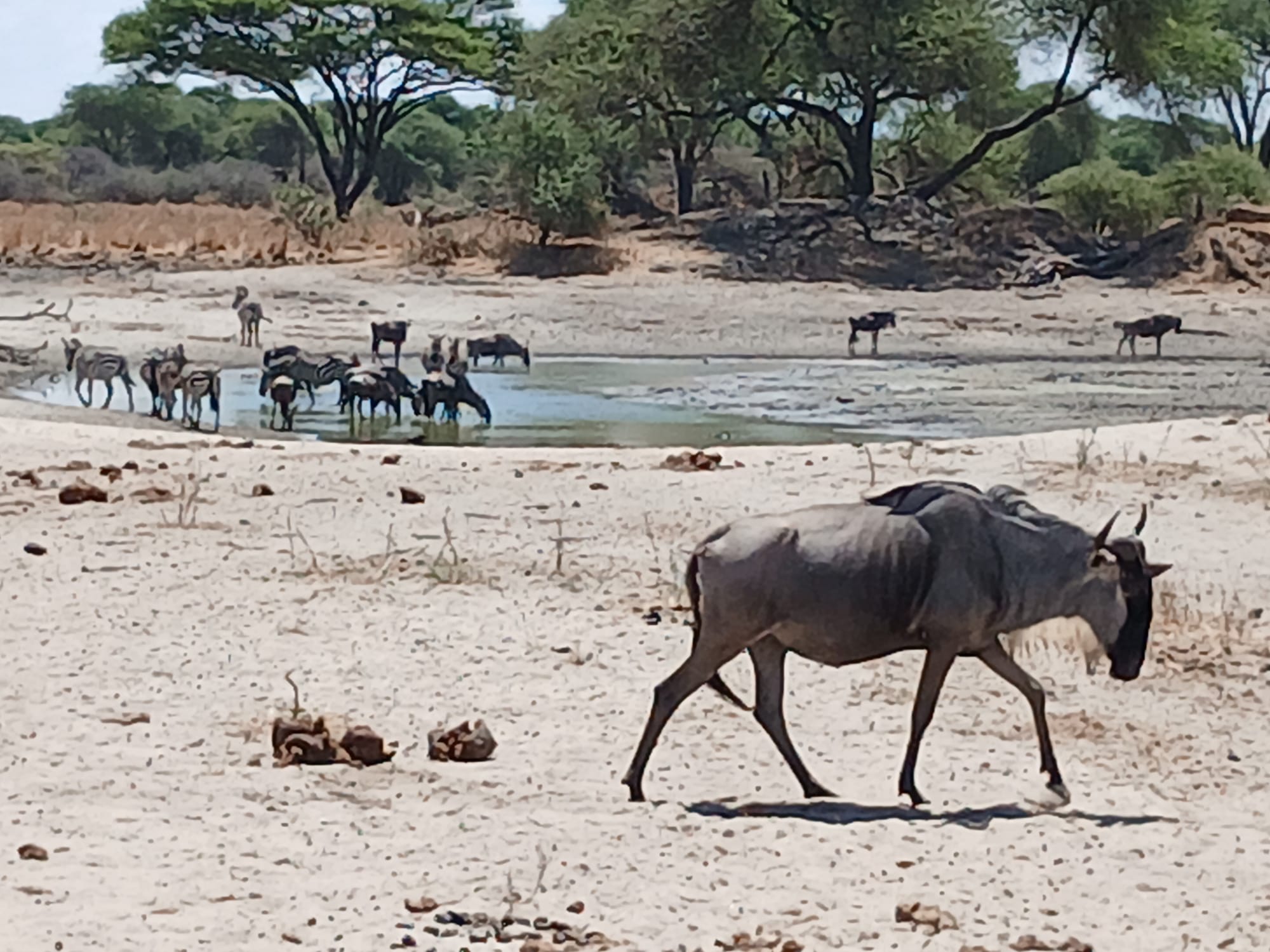
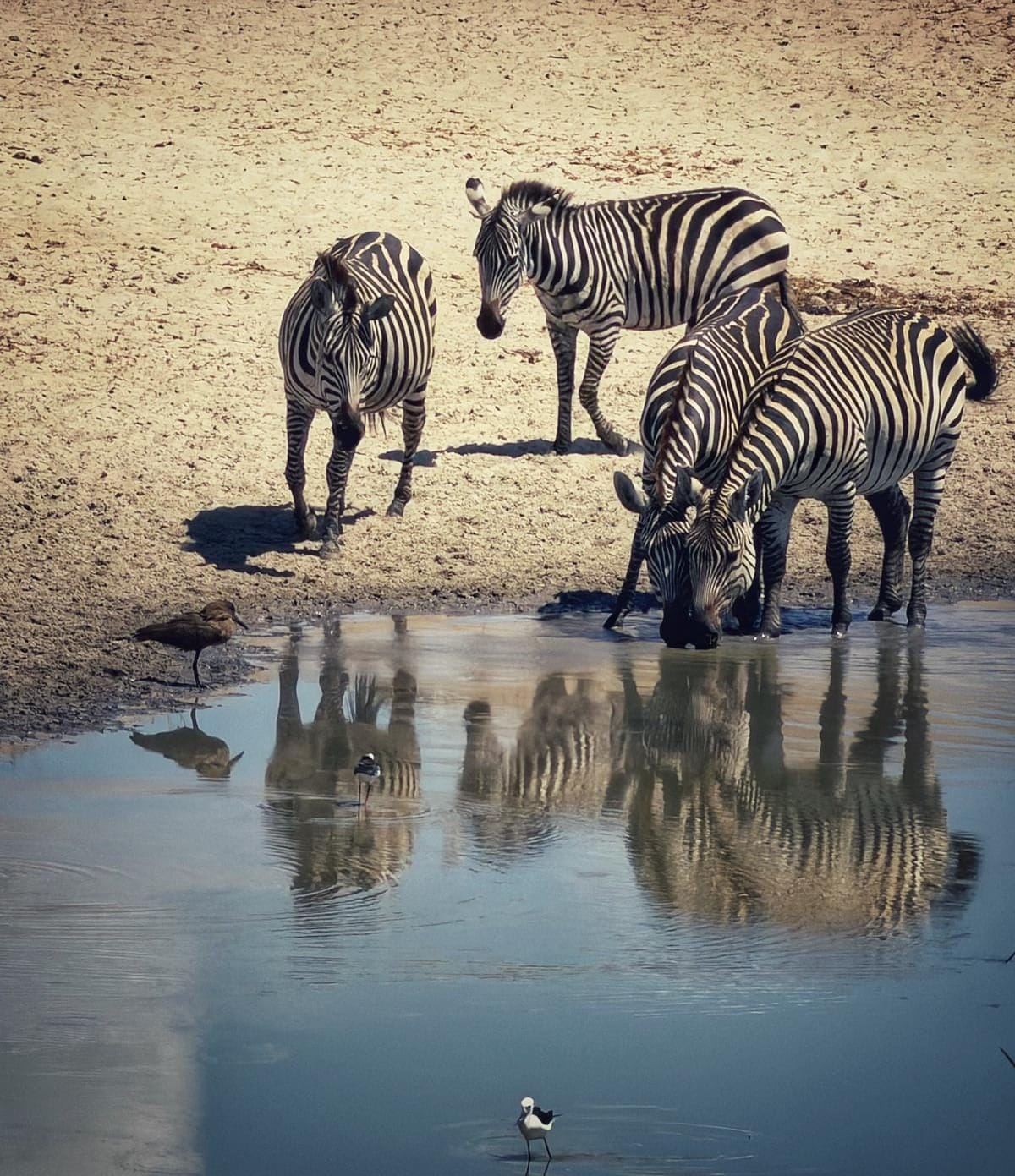
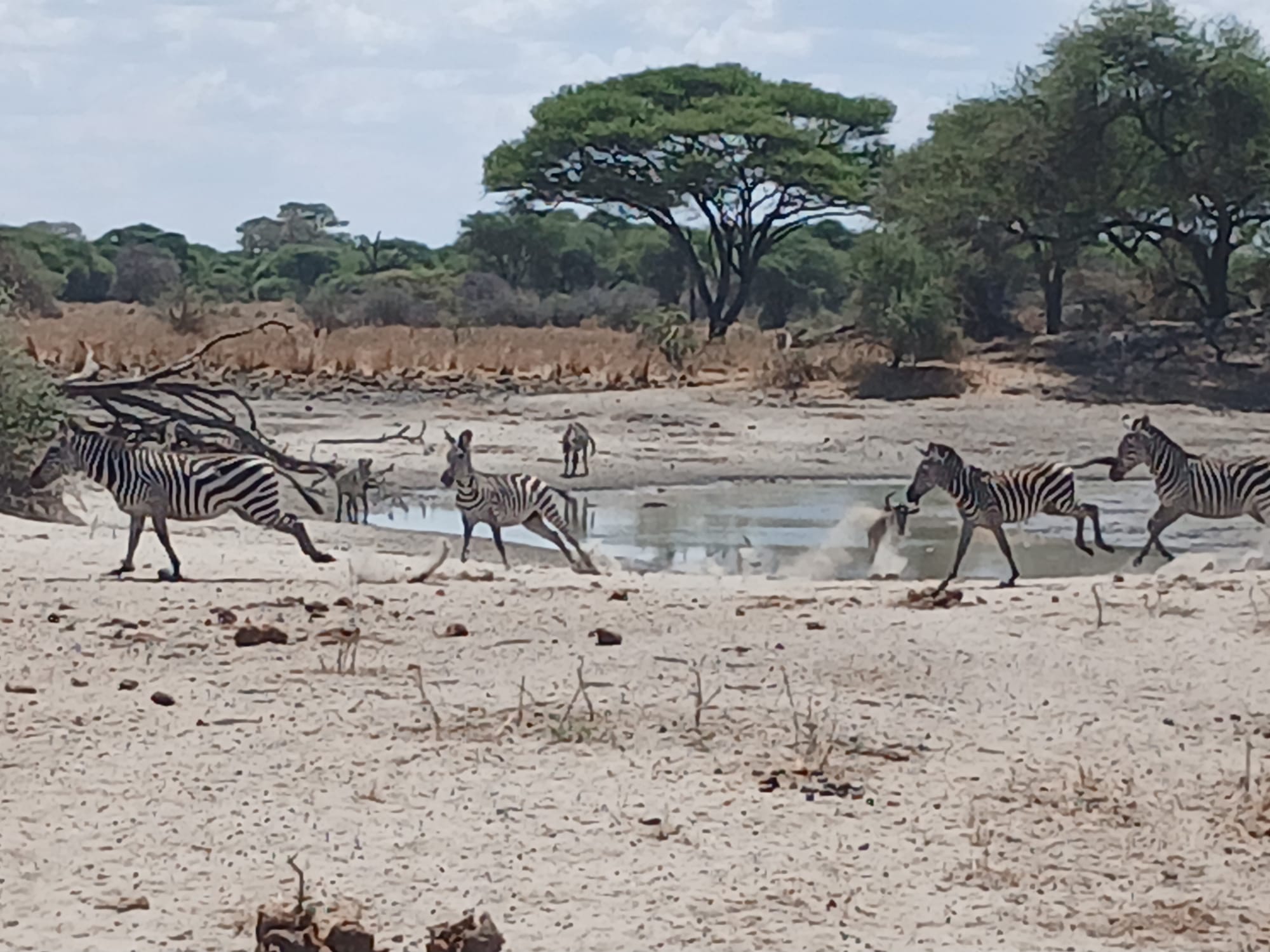
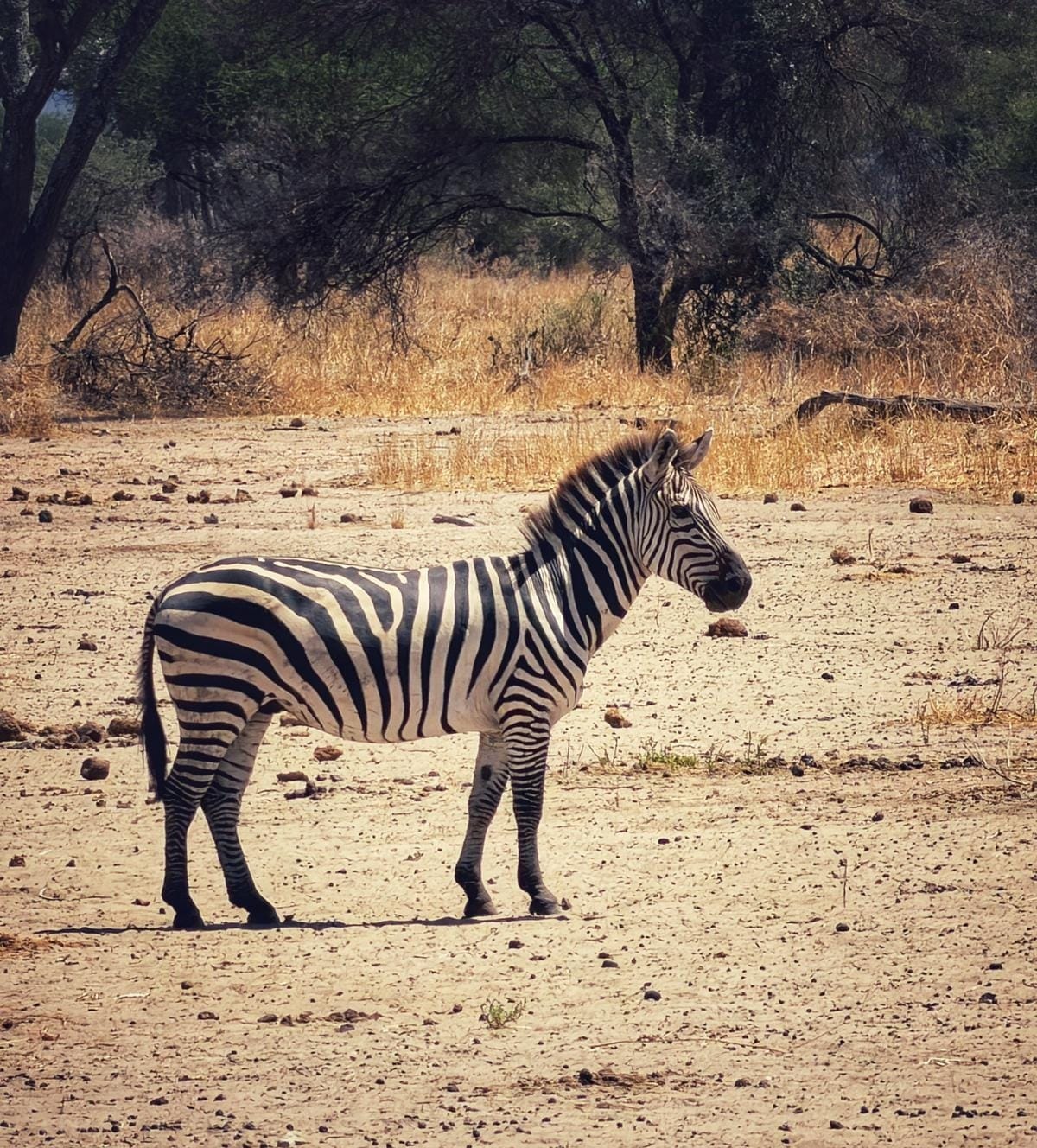
And zebras.
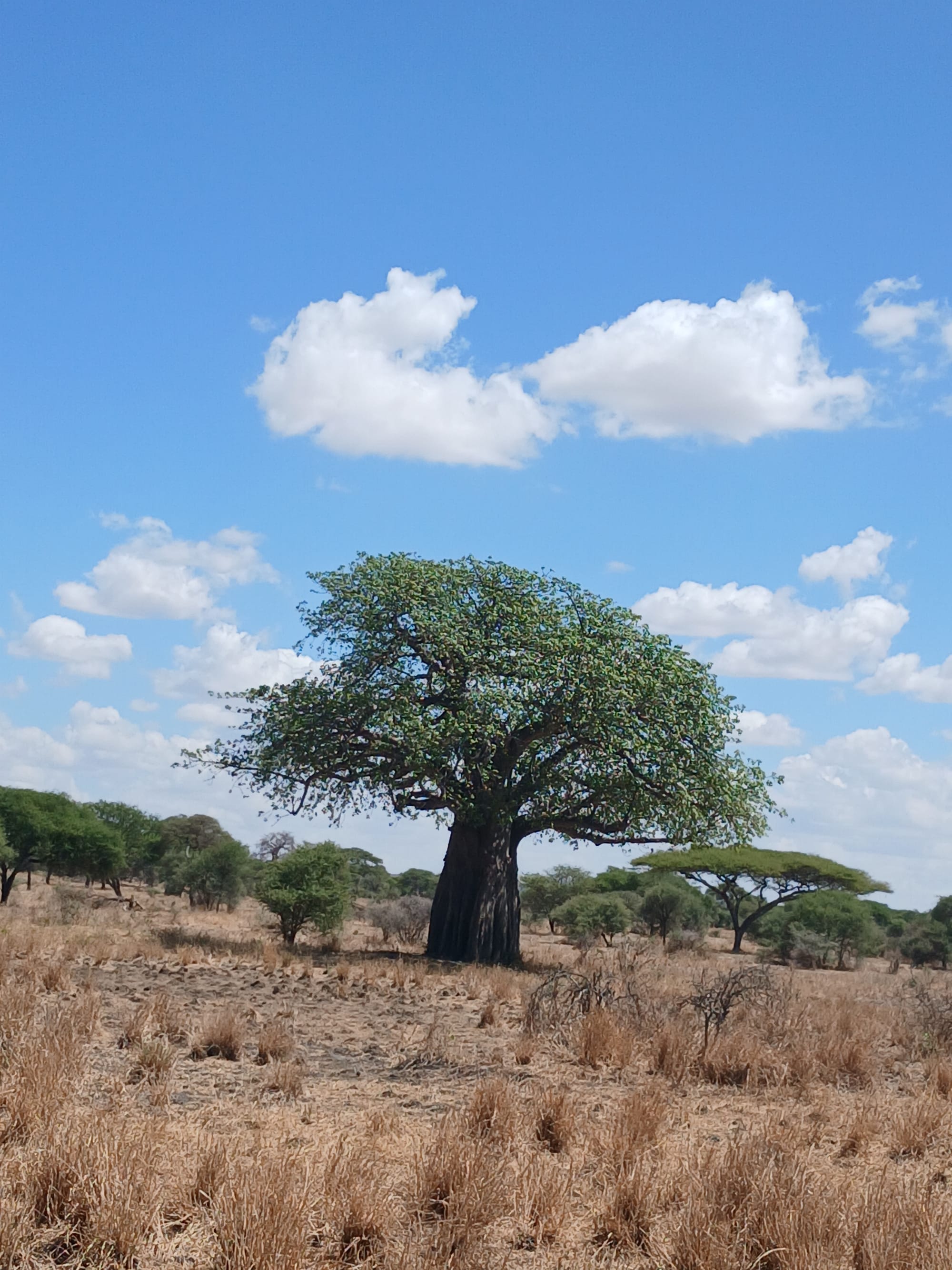
I'm a big fan of Baobab trees, which can be 1,000 - 2,000 years old.
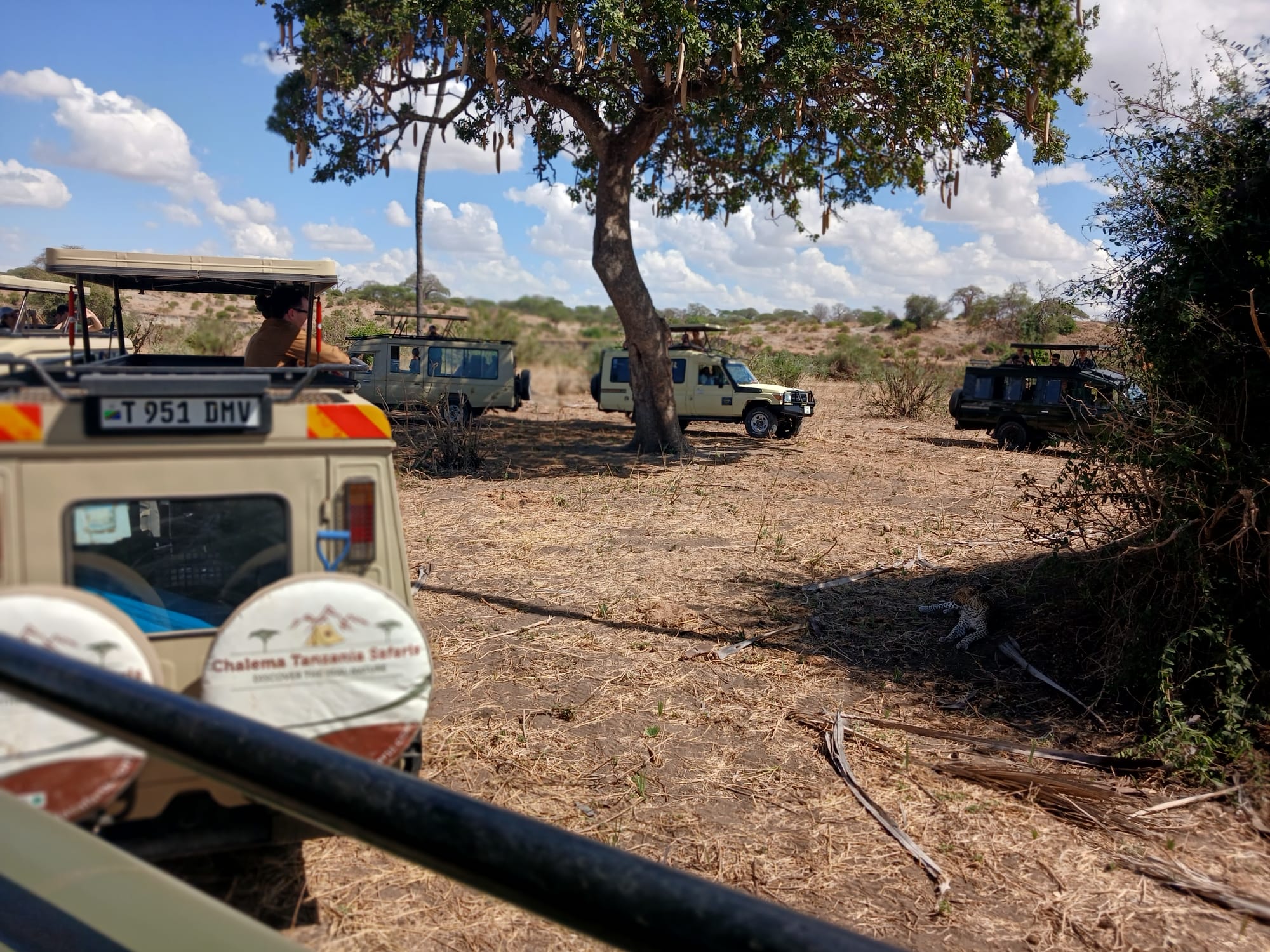
Here we have six Land Cruisers arrayed around a bush where a leopard is lounging in the shade (barely visible on the right). It's amazing how nonplussed the animals were by spectators. The tree is known as a sausage tree because its seed pods look like sausages – and make a lovely wispy sound if there's a breeze.
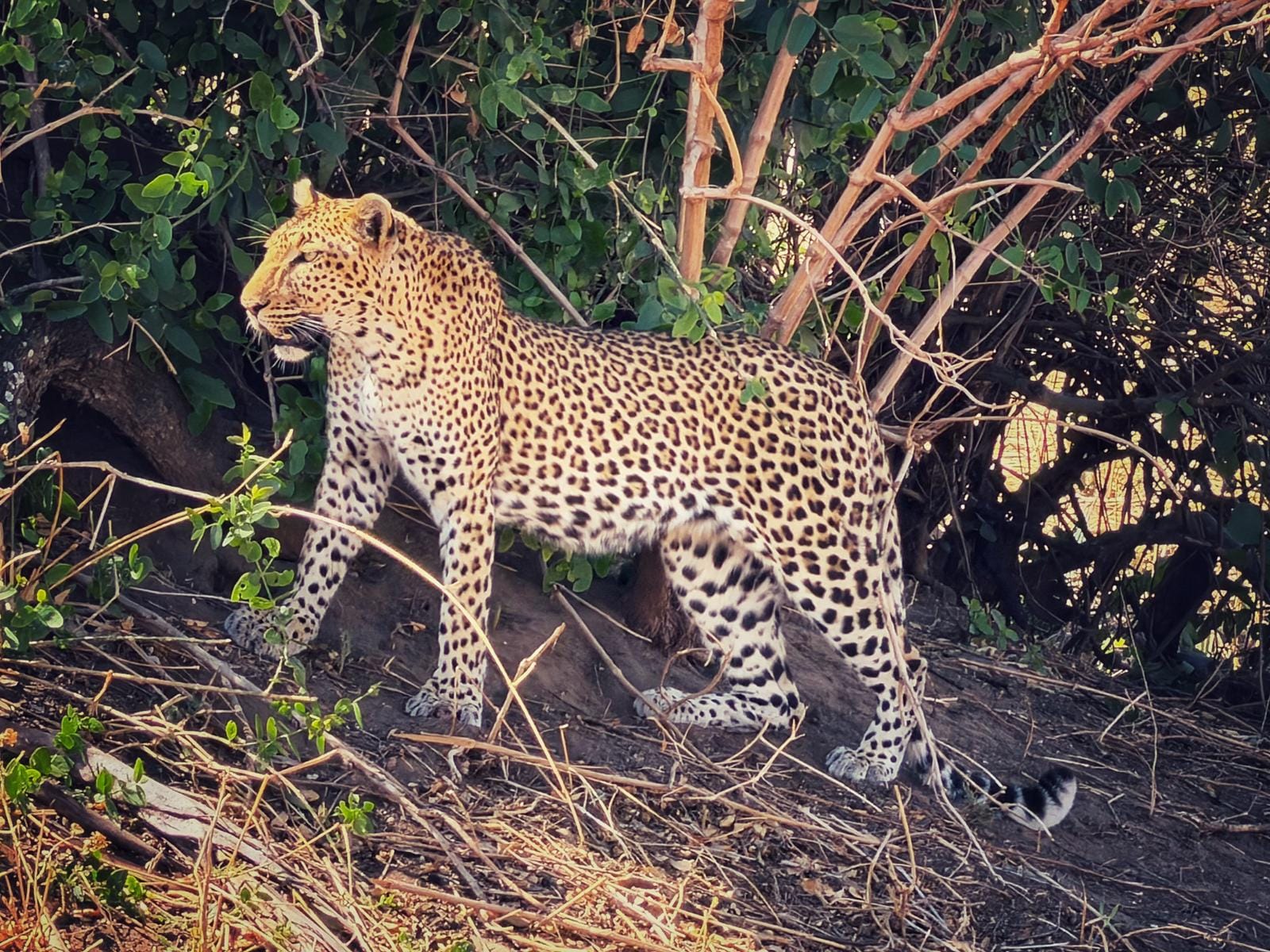
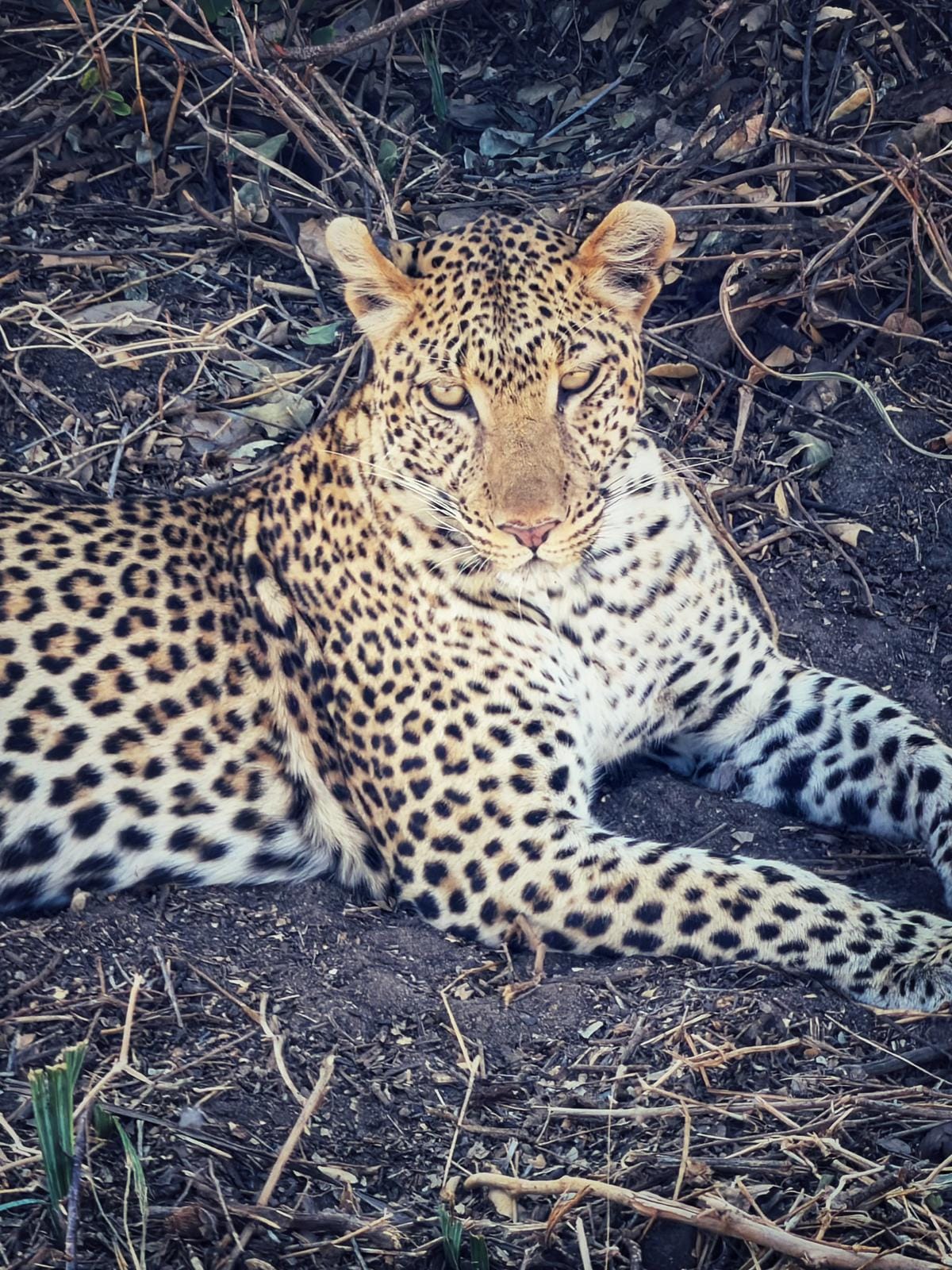
These animals used to be hunted (think ivory, leopard skin rugs). Somehow the park rangers trained them to see bipeds in jeeps not as predators but as nonevents. Photo below and many close-up photos are from trip leader Cathy. When I zoom in, my photos get fuzzy. She also is able to light up shaded subjects, like our spotty friend below.
Giraffes, naturally. I loved watching them move. I think they are graceful but also odd – such an asymmetric shape! The long necks and the withers above the hips just make for an unlikely animal, in my opinion. We didn't get very close to any of them, so these are Cathy's close ups.
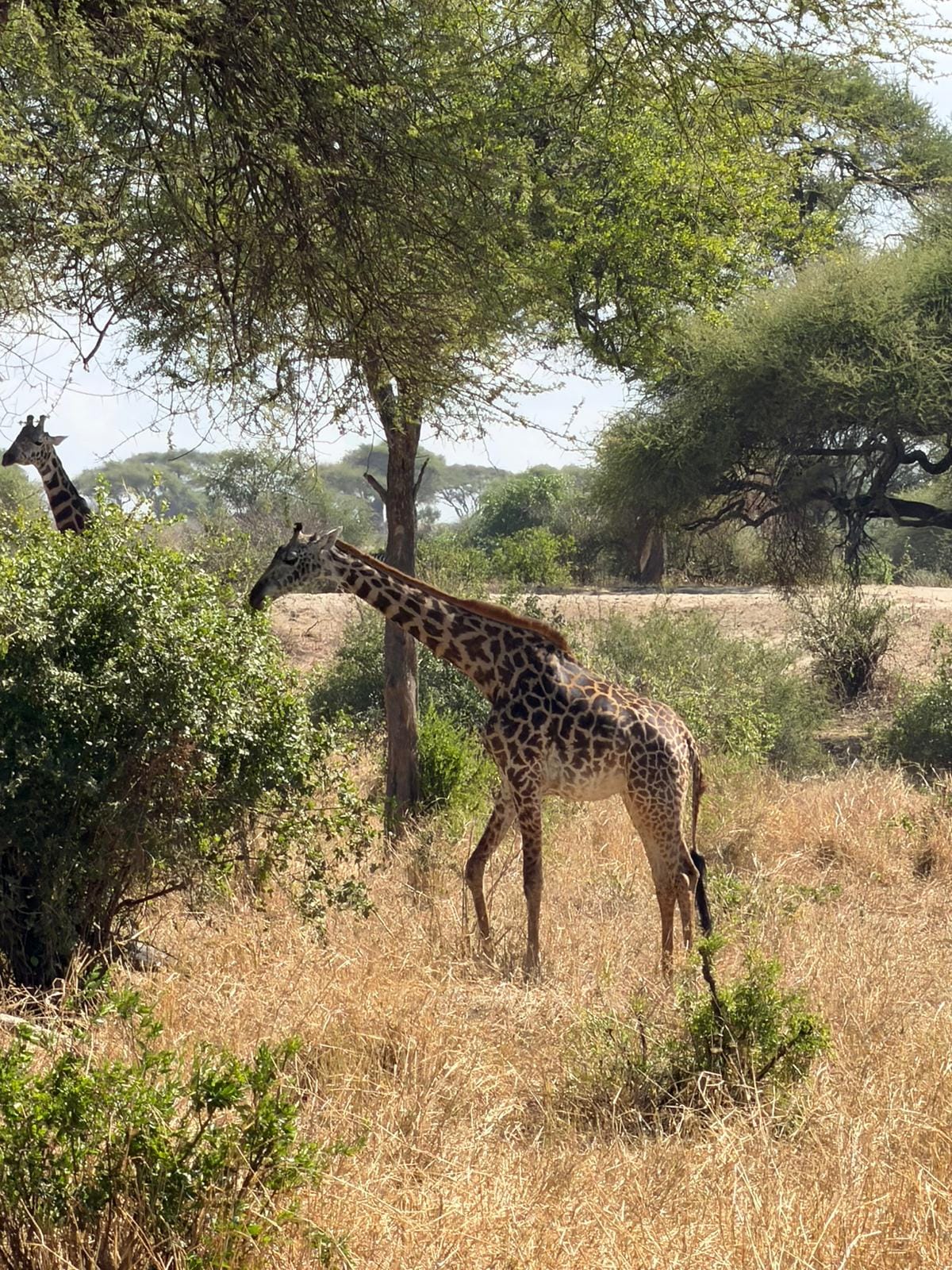
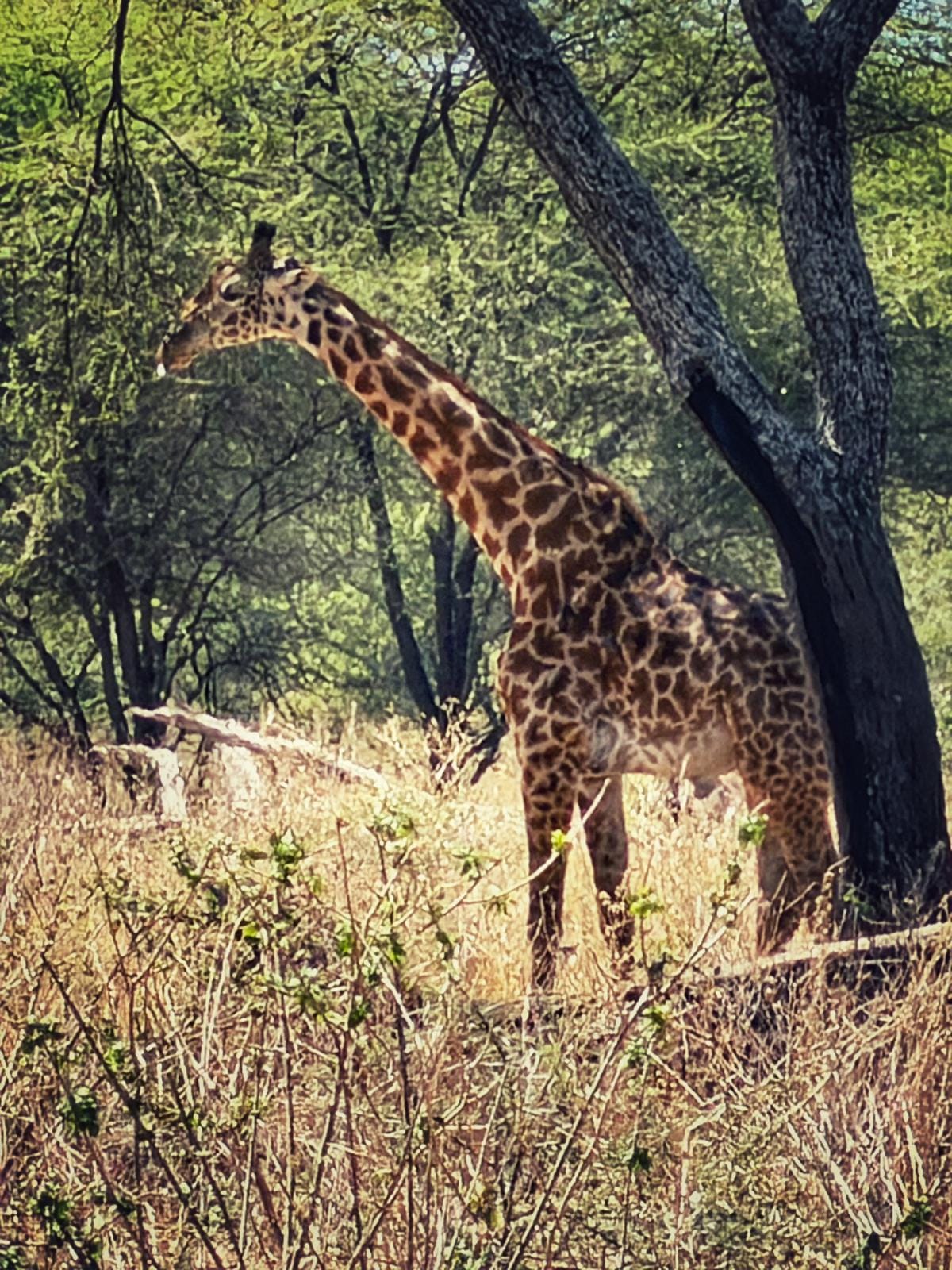
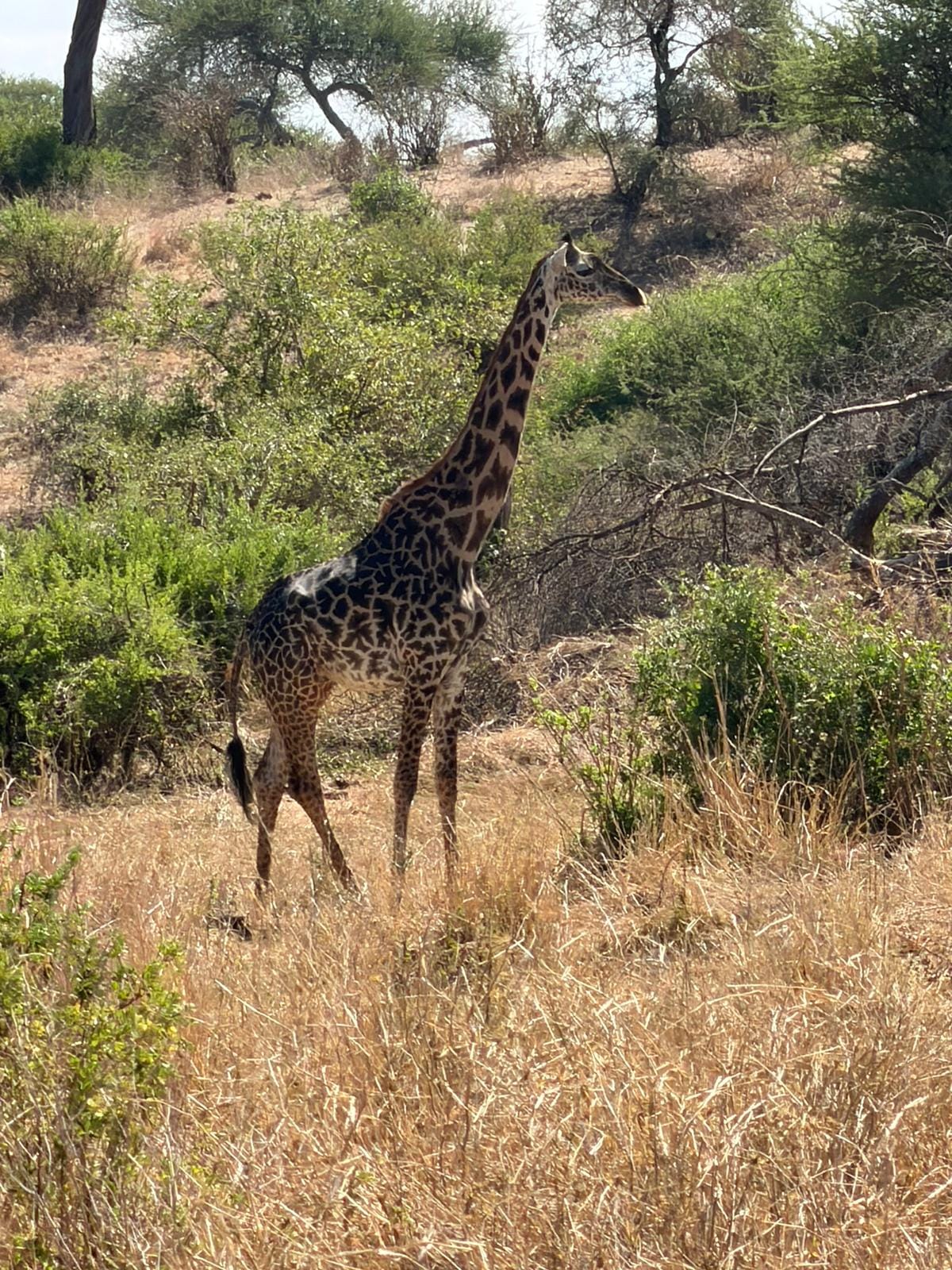
We saw three lions. This one heading upriver after leaving her mate by the river bank.
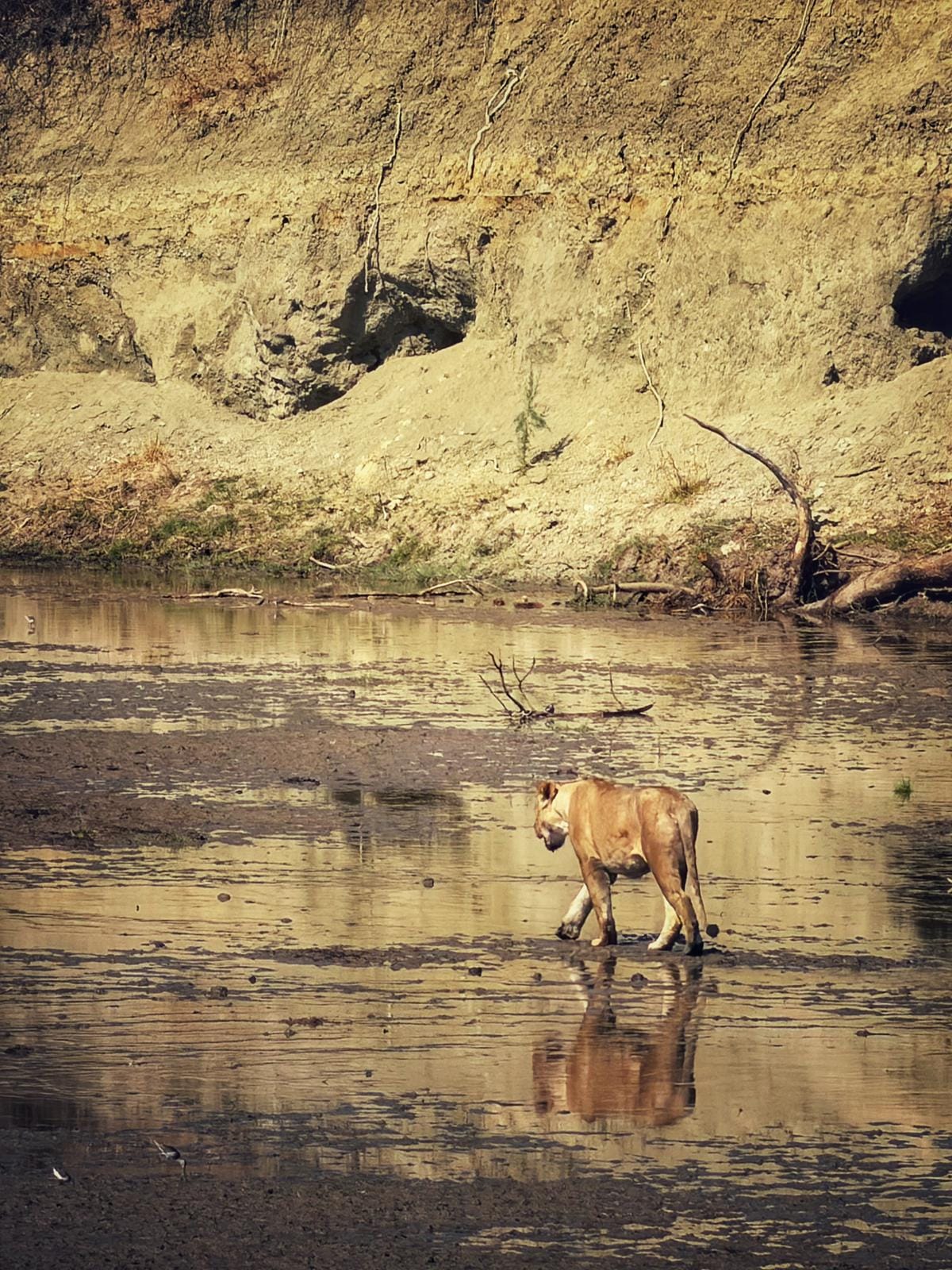
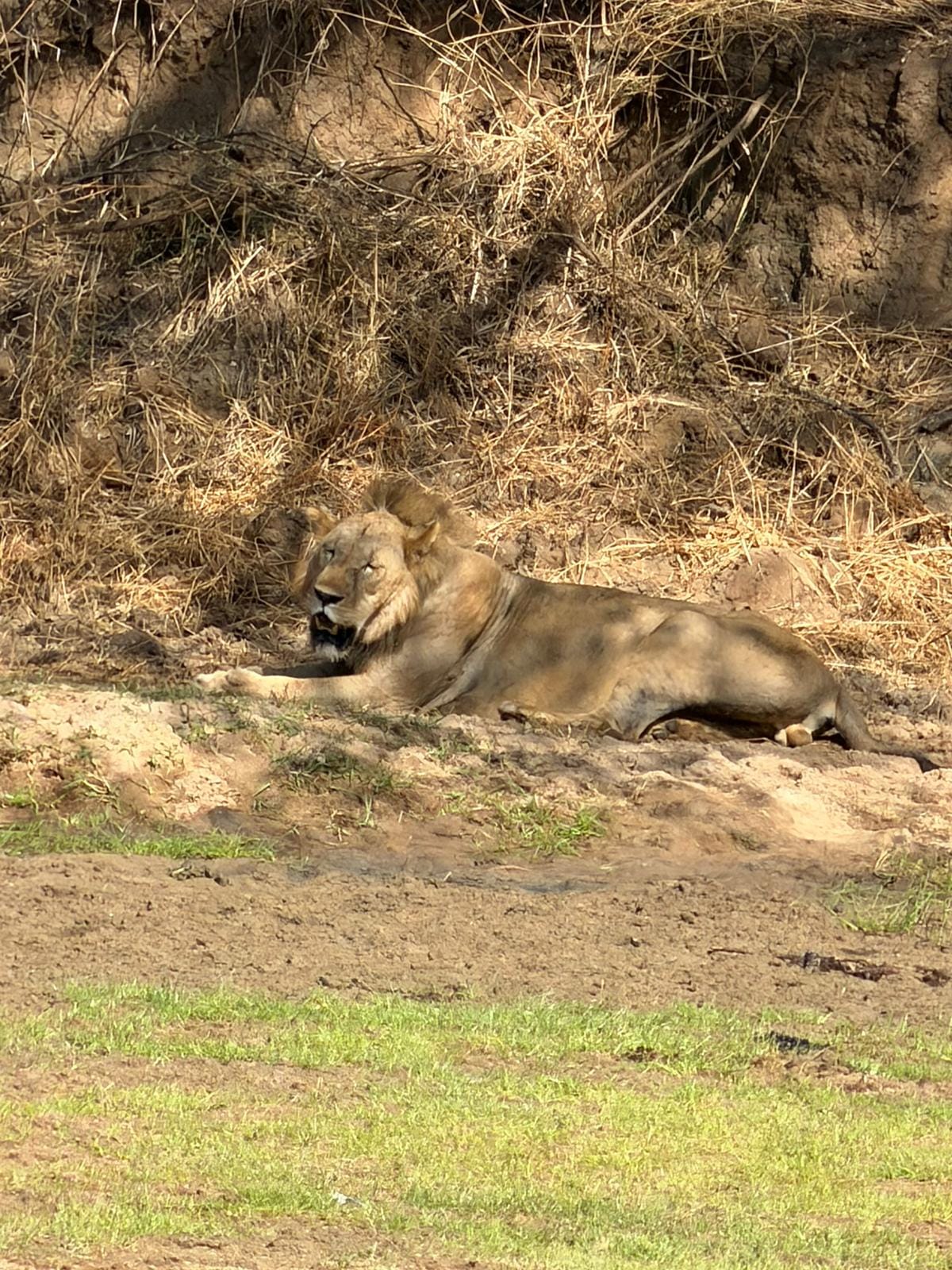
Her well-camouflaged mate:
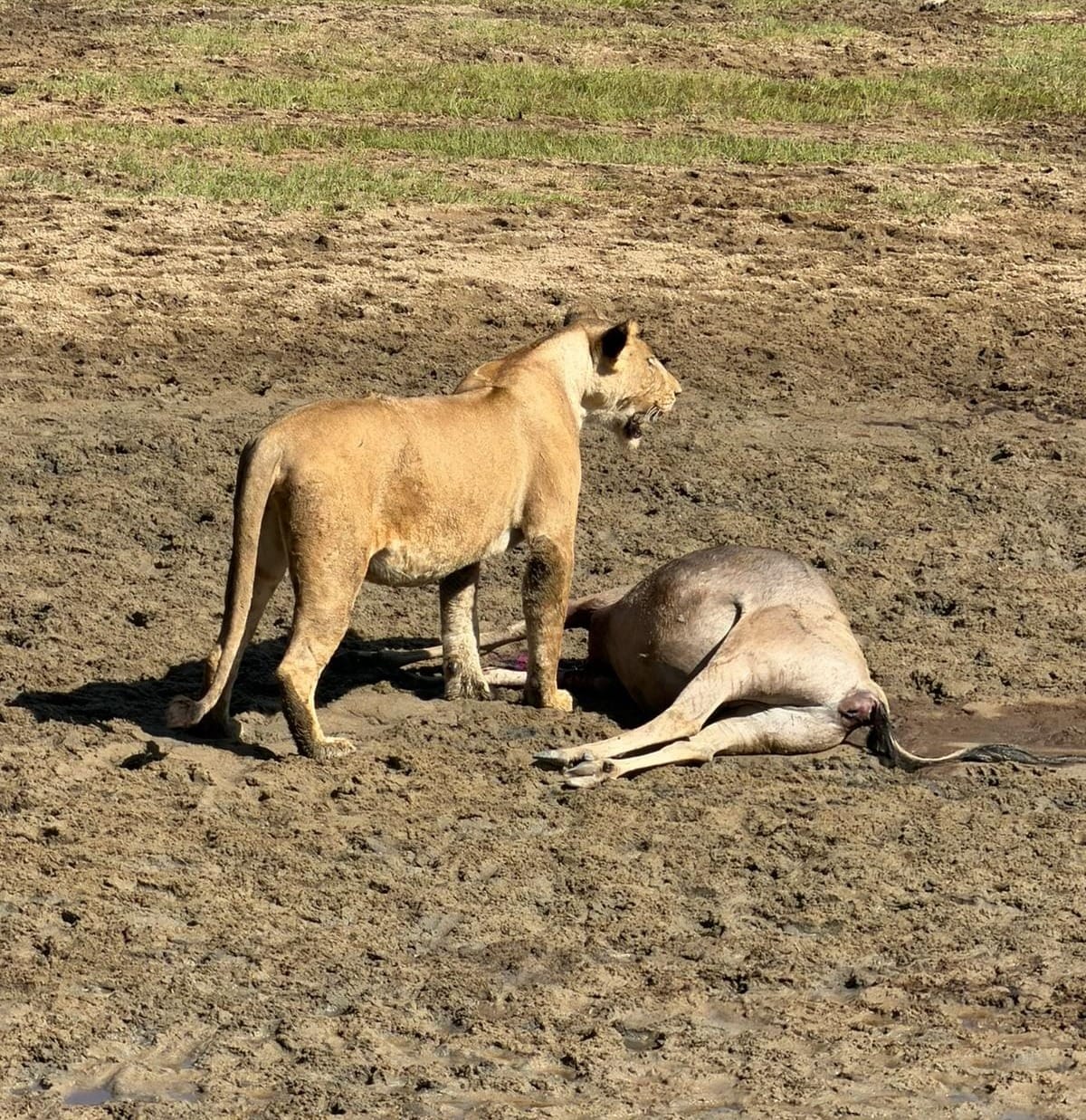
We saw another lion having lunch, its maw getting increasingly bloody.
I do not have a photo of my favourite sight – what I believe is a malachite kingfisher. When it flew, its wings were an electric, shiny blue. Photo below from the internet.
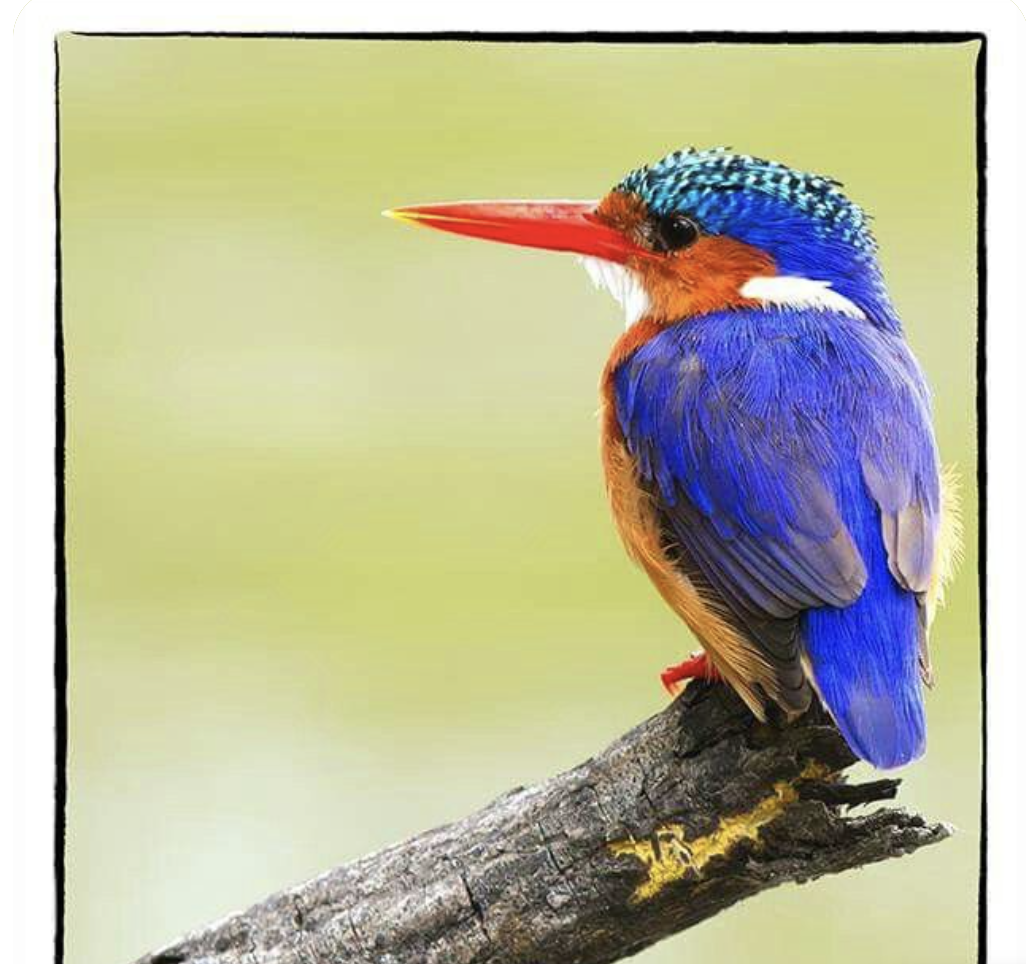
Maybe I love it because of the colour amidst such a dusty brown palette. We also saw bobbits, this is one of Cathy's photos.
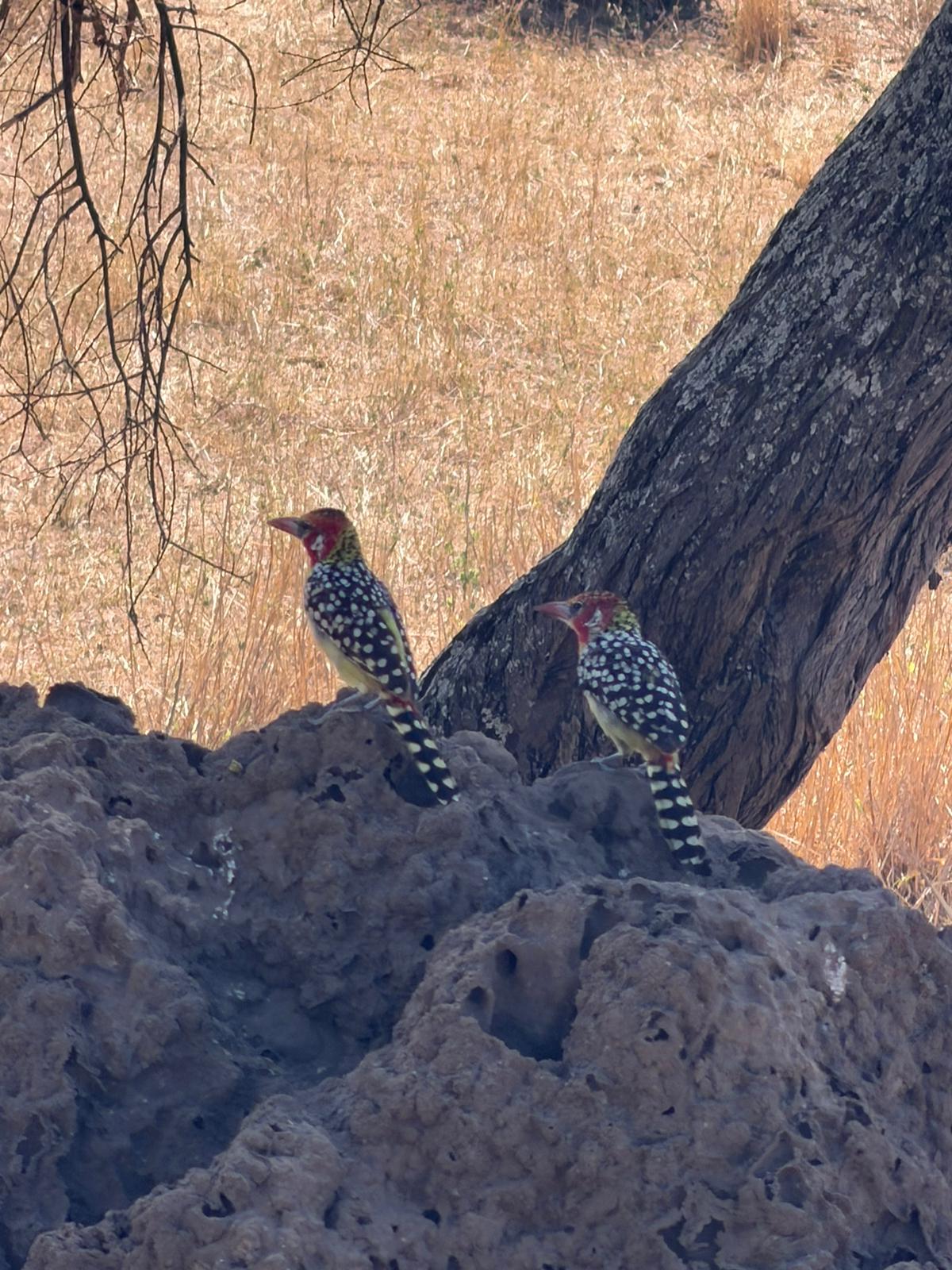
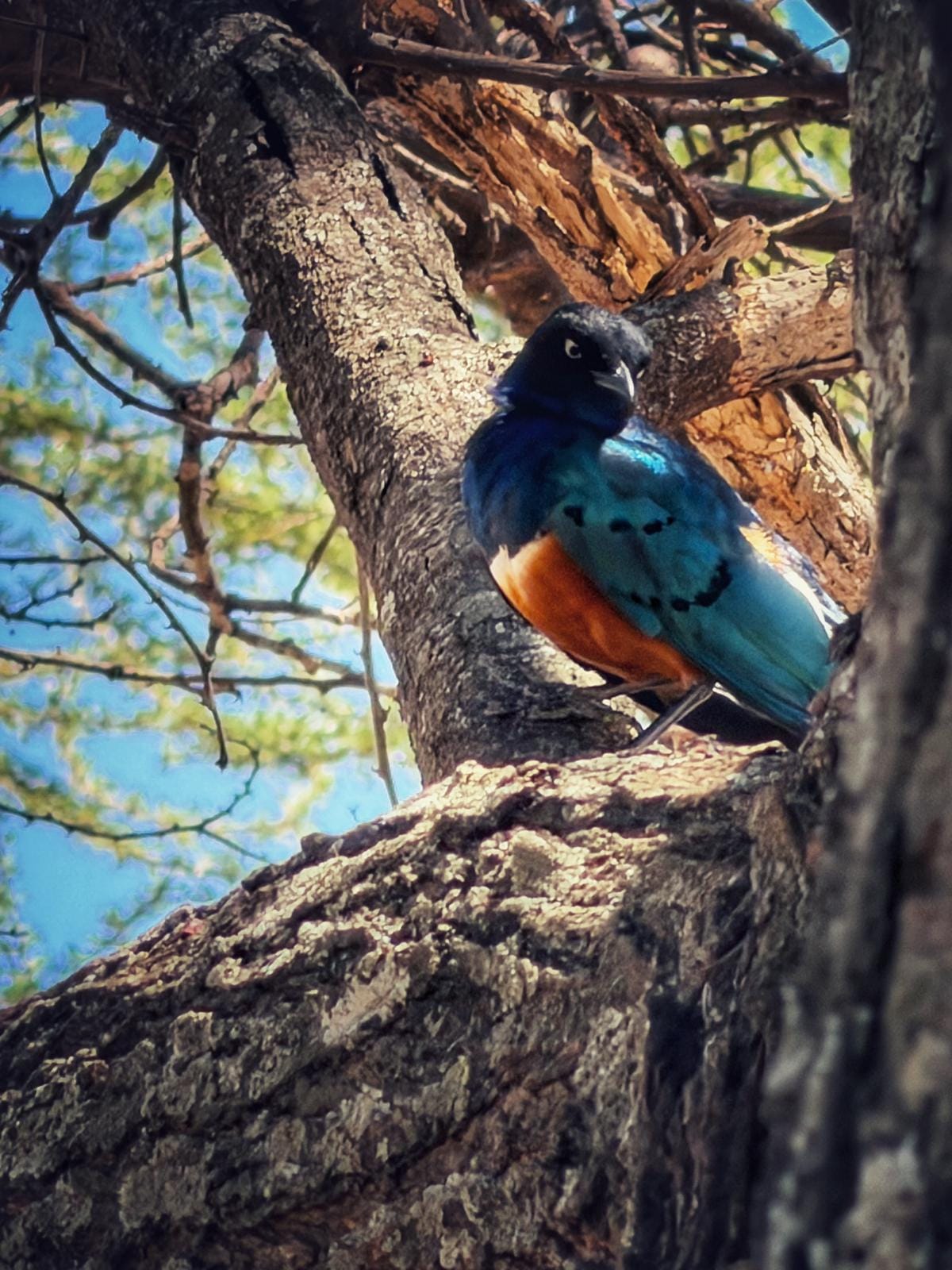
Cathy also captured this bird, but I don't believe it is what I saw next to the elephant mudhole – I remember seeing a kingfisher. I think this bird could be in the jay family?
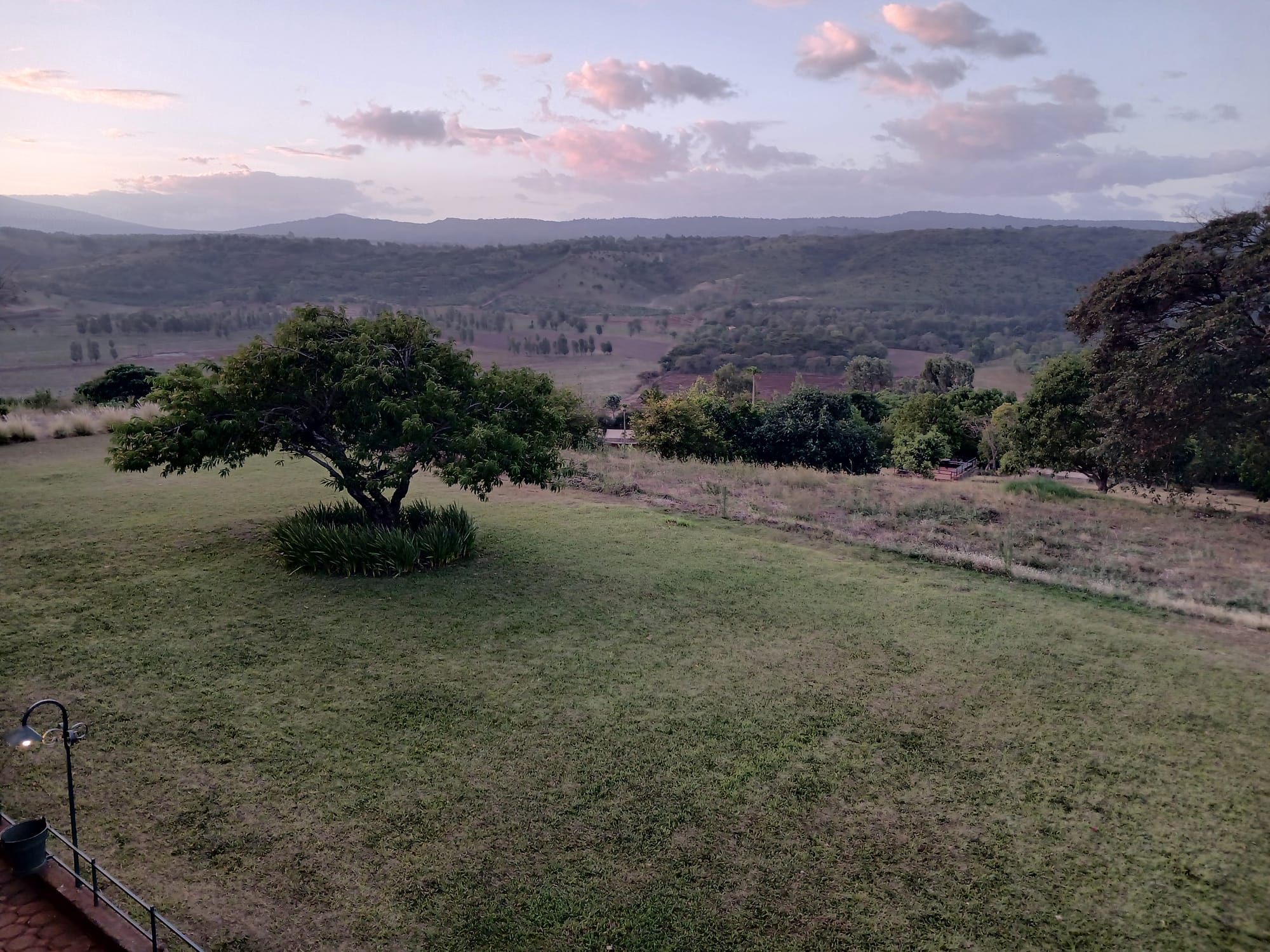
We then headed to Karatu and the Highview Hotel, also owned by Zara Tours. The view from the balcony of a wooded ridge in the distance was lovely. The food at the hotel was amazing – my appetite is back so I can enjoy it fully.
7 Dec.